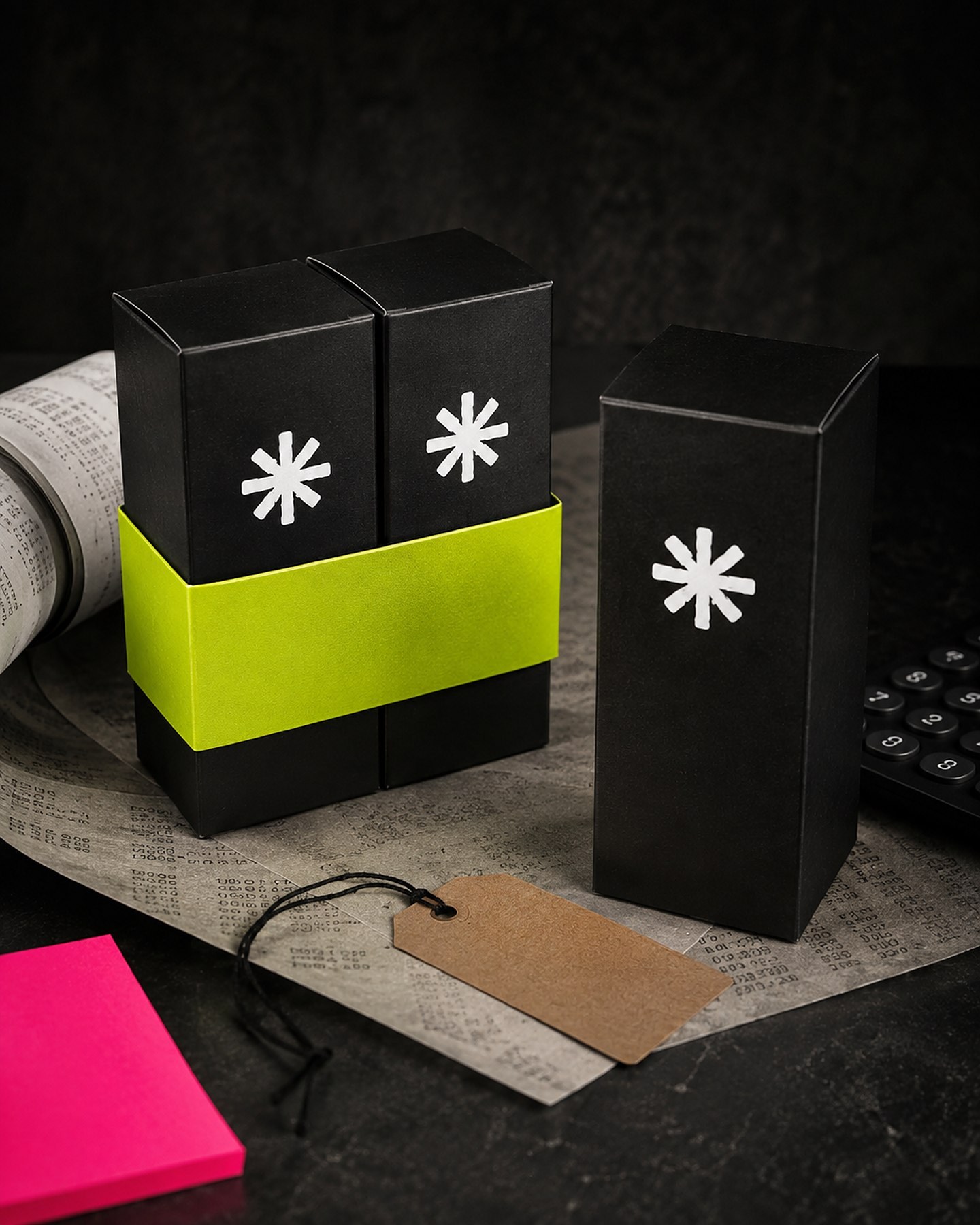
04LAUNCH
One new product. Two reasons to come back to market.
A product launch strategy case study: how one new beverage flavor created two market moments by debuting inside a multi-flavor pack before its standalone release.
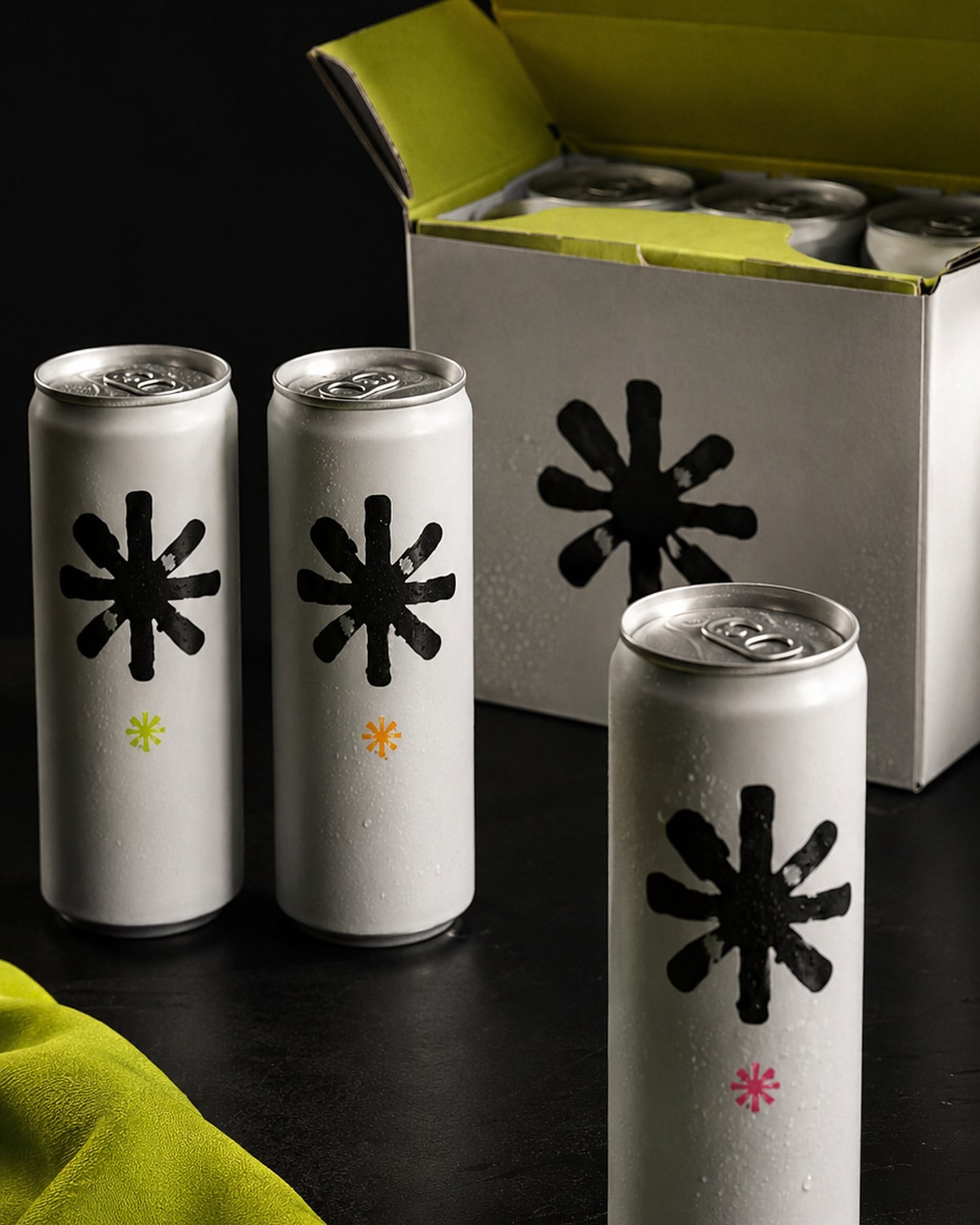
A consumer beverage brand was introducing a new flavor. The obvious launch was straightforward: put the product live, announce it, promote it. But the business already had a multi-flavor pack built around the broader assortment. The new flavor could refresh the pack first, then create another reason to return to market as a standalone product. The sequence was the opportunity.
Put the product live. Announce it. Promote it.
A standalone launch would have concentrated everything around one message: now available. New product, new page, new creative, new promotion. That would have launched the flavor, but it would have spent the launch’s strongest source of novelty in one moment. The better question was not how to promote the new flavor. It was what else the new flavor could make work harder.
The new product could change the job of an existing offer.
The brand already had an established assortment, a multi-flavor pack, owned email and social channels, and a first-order offer centered on the pack. The launch assets showed the new flavor debuting through the pack before later standalone promotion, and the pack continued to lead first-order messaging afterward. Instead of introducing the flavor only as another product to buy, the brand could use interest in the new flavor to put the broader assortment back in play. The flavor gave the pack a new reason to lead. Then standalone availability could become its own moment.
The new flavor could make the existing offer work harder.
A standalone launch focuses attention on one product. The multi-flavor pack could connect that interest to more of the assortment. First, the product refreshed the pack. Then, the product became the story. One product. Two distinct moments.
Don’t spend the novelty all at once.
Stop treating standalone availability as the entire launch. The new flavor enters through the pack before later standalone promotion. The pack gets a new reason to lead. The broader assortment gets pulled into interest around the new flavor. Standalone availability gets its own promotional moment.
- 01DEBUT THROUGH THE PACK
The new flavor enters inside the multi-flavor pack.
- 02REFRESH THE OFFER
Interest in the new flavor puts the broader assortment back in play.
- 03THEN THE STANDALONE MOMENT
Standalone availability becomes its own reason to return to market.
PACK DEBUT
Launch assets introduced the new flavor through the multi-flavor pack.
STANDALONE
Later promotion shifted to the flavor on its own.
PACK CONTINUITY
The pack remained part of first-order messaging afterward.
The new flavor did not replace the existing offer. It gave the offer a new reason to matter. Interest in one product became connected to the broader assortment, and standalone promotion created another reason to bring the flavor back to market. The order changed what the existing assets could do.
Why not just announce the new flavor and promote it?
A standalone launch spends the product’s novelty in one moment. Sequencing it through the pack first meant the same product could bring the brand back to market twice.
What did the multi-flavor pack get out of it?
A new reason to lead. Interest in the new flavor pulled the broader assortment back into play, and the pack stayed in first-order messaging after the standalone moment.
THE POINT
More launch activity ≠ more leverage. The launch didn’t need more activity. It needed a better sequence. Find what the new thing can make work harder.